
Operations Managment
Vendor Selection and Vendor Rating
Vendor selection and vendor rating explained: selection factors and process, categorical, weighted point, cost ratio and scorecard methods, with fully worked rating examples for three vendors.
Blog
Worked problems, method notes and exam strategy from the people who teach the classes.
Operations Managment
Vendor selection and vendor rating explained: selection factors and process, categorical, weighted point, cost ratio and scorecard methods, with fully worked rating examples for three vendors.
Operations Managment
Stores management explained: objectives, functions, store types and layout, codification, receipt and issue procedures, bin card vs stores ledger, FIFO and weighted average pricing, and stock level formulas.

Operations Managment
Production planning and control (PPC) explained: planning versus control, routing, loading, scheduling, sequencing, dispatching and follow-up, with worked FCFS, SPT and EDD sequencing and a capacity check.
Operations Managment
Purchase management explained for BBA, MBA and B.Com: the six rights, functions, purchase procedure and documents, buying methods, EOQ and reorder level, and a worked total landed cost comparison.

Operations Managment
Supply chain management explained: stages, three flows, bullwhip effect, integration, outsourcing and lead time, with worked landed-cost and inventory turnover examples.
Operations Managment
Production scheduling explained: types, objectives and factors, with worked FCFS, SPT, EDD, critical ratio and Johnson's rule examples and a Gantt chart.

Operations Managment
Plant layout explained: objectives, principles, process, product, fixed position, combination and cellular layouts compared, with worked load-distance and line balancing examples.
Operations Managment
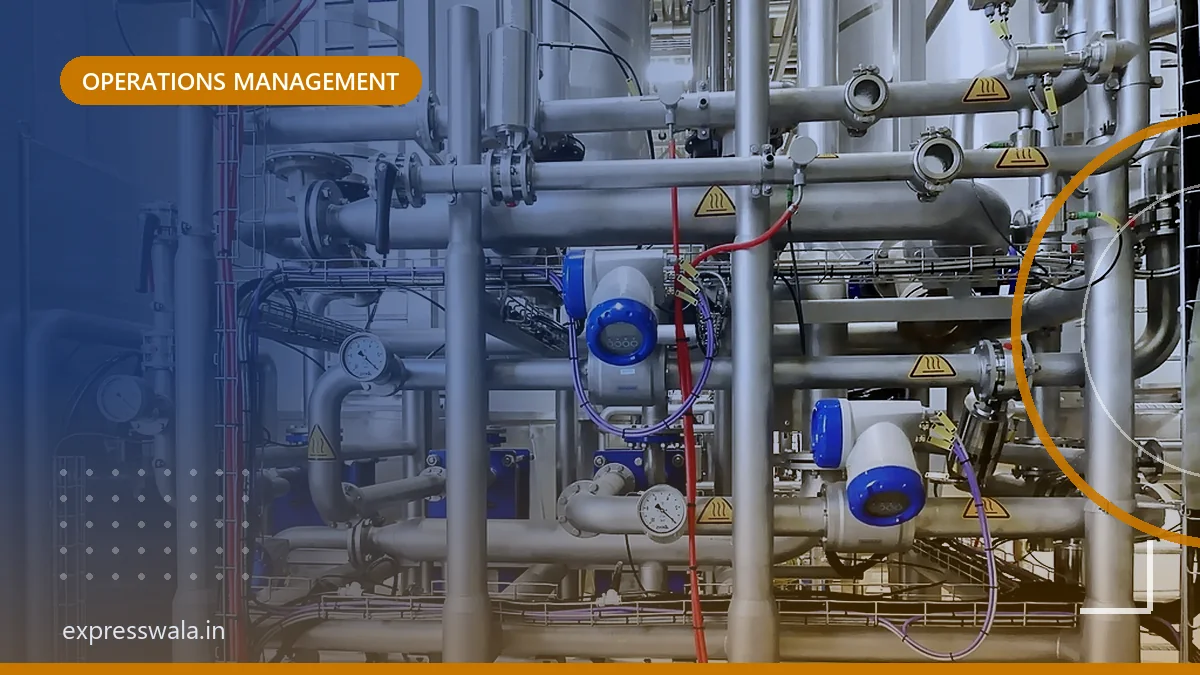
Location analysis explained for BBA and MBA students: why site choice matters, factors for factories and shops, steps, factor rating and break-even crossover methods with worked examples.
Operations Managment
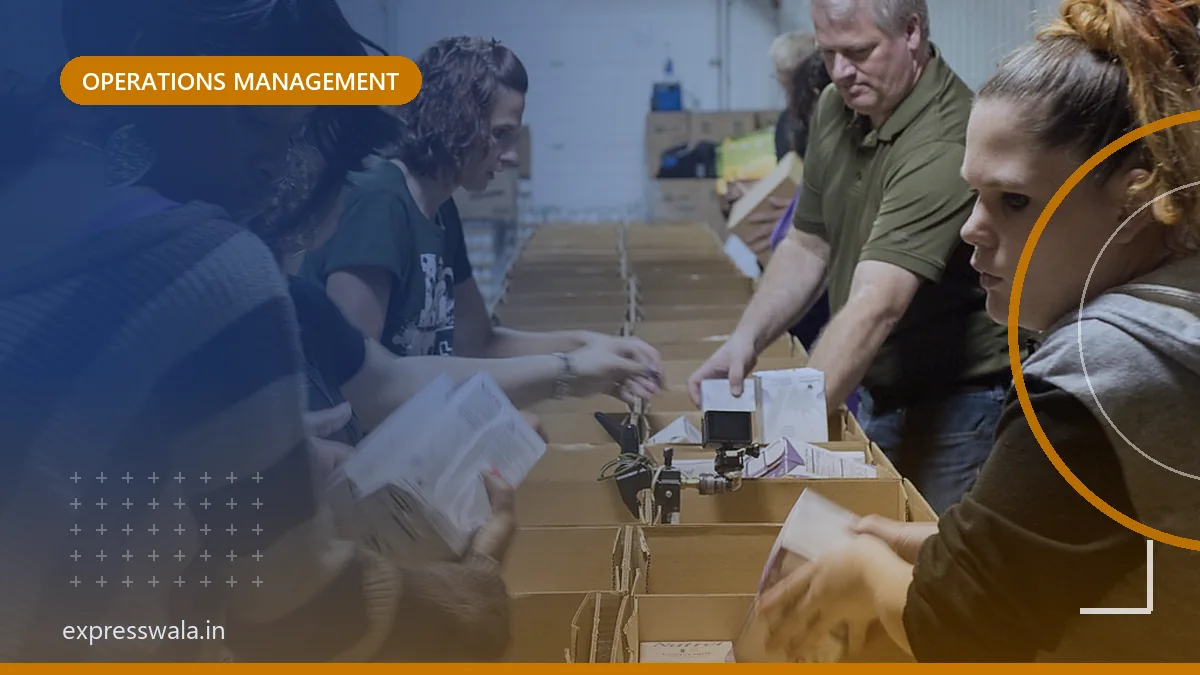
Capacity planning explained: design and effective capacity, actual output, utilisation and efficiency, a worked machine-requirement example, influencing factors, and lead, lag and match strategies.
Operations Managment
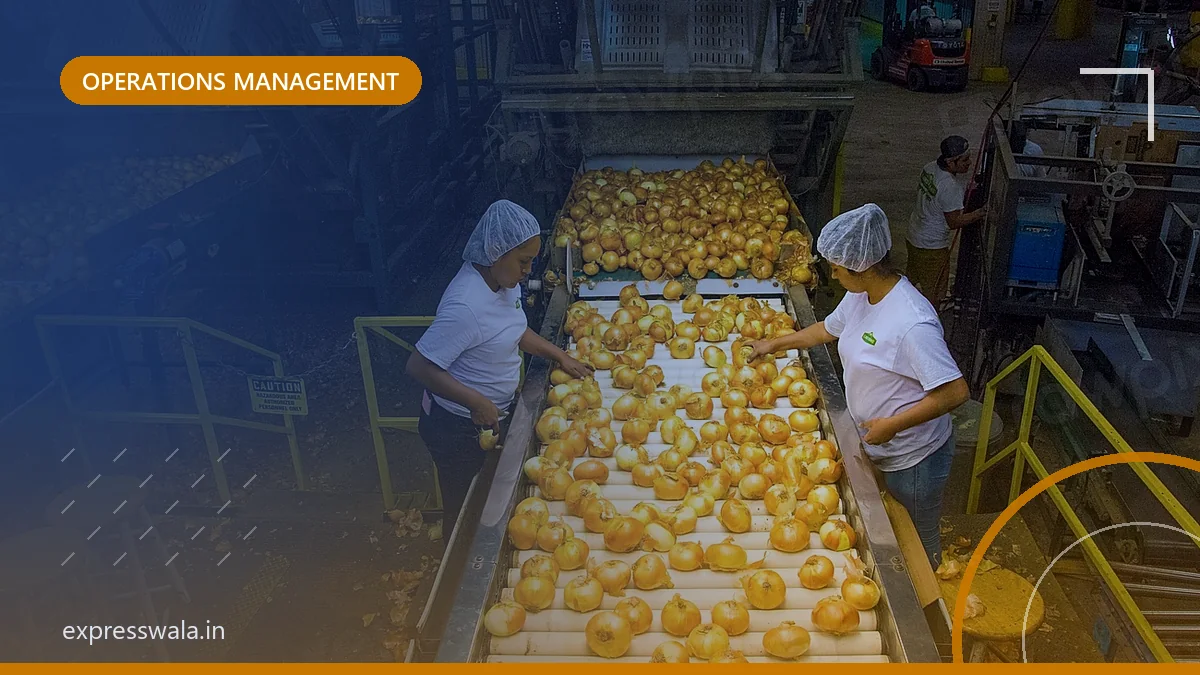
Forecasting in operations management: meaning, time horizons, demand patterns, qualitative and quantitative methods, and a worked moving average and exponential smoothing example with MAD.
Operations Managment
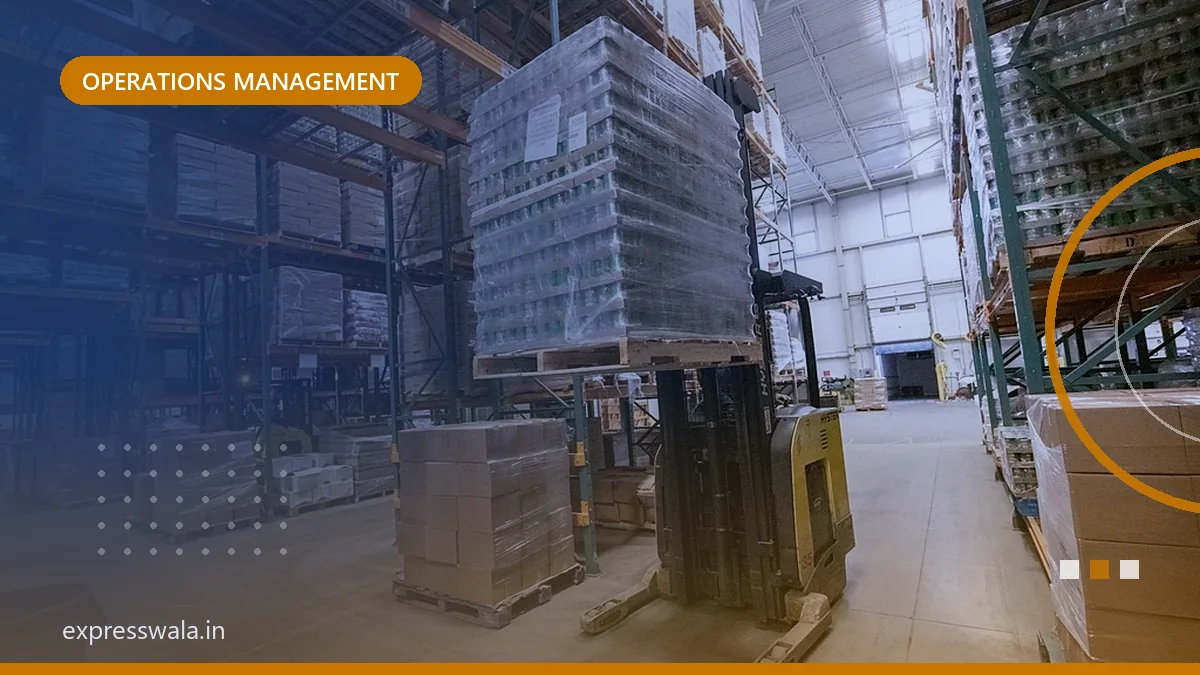
Job, batch, mass and continuous production systems compared: features, advantages, limitations, examples, services, and a worked break-even example showing how volume decides the right system.
Operations Managment
Operations management explained for BBA, MBA and B.Com students: definition, the input-transformation-output model, objectives, ten decision areas, goods vs services, and a worked productivity example.
Book a demo class and watch how your child responds to the teaching.